

Has your life lost its colour, leaving you feeling trapped in a greyscale world? If so, you might be experiencing anhedonia. Anhedonia is the inability to experience pleasure from activities that used to bring joy. For women who face this challenge, daily life can feel dull and monotonous. In this blog post, we’ll discuss anhedonia and provide some advice to help you paint your life with vibrant colours once again.
Anhedonia can be caused by a combination of biological and psychological factors. Biological factors may include hormonal imbalances or neurotransmitter dysfunctions, whilst the psychological factors could be related to past trauma, stress, or other mental health issues. Our brains are complex, and so are we!

If you’re experiencing anhedonia, you might find that once-pleasurable activities just aren’t cutting it anymore. This can lead to withdrawal from social situations, as you might not see the point in spending time with friends when it doesn’t make you happy.
Anhedonia is often linked to depression, but they’re not one and the same. While people with depression might experience anhedonia, not everyone with anhedonia is necessarily depressed. The steps below can help you to deal with the impact that anhedonia can have on you and help you to remove the grey from your life:-
- Identify triggers – Pinpoint what brings you down, whether it’s work, relationships, or your environment. Acknowledging these factors is the first step in addressing them.

- Set realistic goals – Small, achievable goals can help rebuild your sense of accomplishment and gradually bring pleasure back into your life. Remember, Rome wasn’t built in a day!
- Prioritise self-care – Regular exercise can help release endorphins, those feel-good chemicals that make us feel alive and happy. Healthy eating nourishes both your body and your brain, so don’t forget your fruits and veggies!

- Reconnect with your hobbies and interests – Rediscover your passions by revisiting activities you once enjoyed. Whether it’s painting, dancing, or gardening, find what makes your heart sing.
- Reach out to your support network – Connecting with friends and family can remind you that you’re not alone in your struggles. Plus, who doesn’t love a good heart-to-heart with their bestie? Invest time in nurturing your connections with friends and family. Sharing quality moments with those who matter most can bring a sense of belonging and happiness.
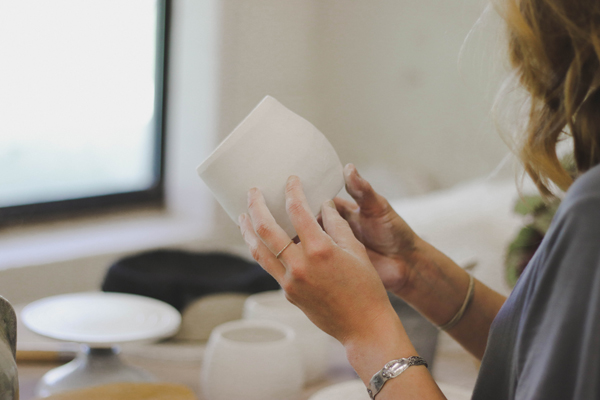
- Embrace new experiences – Trying new activities might help you discover new sources of joy. You never know—perhaps pottery or crochet is your true calling!
- Practice mindfulness and meditation – Focusing on the present moment can help you find beauty in the small things, like the warmth of the sun on your face or the sound of laughter.

- Laugh, Love, and Rediscover Joy – Laughter really is the best medicine! Funny movies, jokes, or even a good old fashioned game of charades can lift your spirits and help you reconnect with your playful side.
- Celebrate small victories – Did you manage to take a walk outside today or call a friend you hadn’t spoken to in a while? Give yourself a pat on the back! Recognising and celebrating progress, no matter how small, can boost your self-esteem and motivation.
Sometimes, despite your best efforts, anhedonia may persist. If you find that your self-help strategies aren’t cutting it, it’s essential to recognise when you need additional support. Just like you wouldn’t hesitate to see a doctor for a broken leg, don’t be shy about seeking help for anhedonia. Your mental health is just as important as your physical health, and there’s no shame in asking for help.
Therapists and psychologists are two types of professionals who can help you navigate the stormy seas of anhedonia. They can provide you with tailored support and guidance to help you chart a course back to happiness. Psychotherapy, such as Cognitive Behavioral Therapy (CBT), can also help you change negative thought patterns and develop healthier coping strategies. Finally, medication, like antidepressants, can address biological factors contributing to anhedonia. Just remember, it may take time to find the right one for you!
Overcoming anhedonia may not be a walk in the park, but with the right tools, support, and a healthy dose of humour, you can find your way back to the vibrant, joyful life you deserve. So, ladies, it’s time to roll up your sleeves and show anhedonia who’s boss! Remember, you’re not alone, and with determination and a little laughter, you can break through the grey and rediscover the beauty in life.
SJB
 So Just Be